HOW TO CARE FOR YOUR BOAT BEFORE AND AFTER A HURRICANE
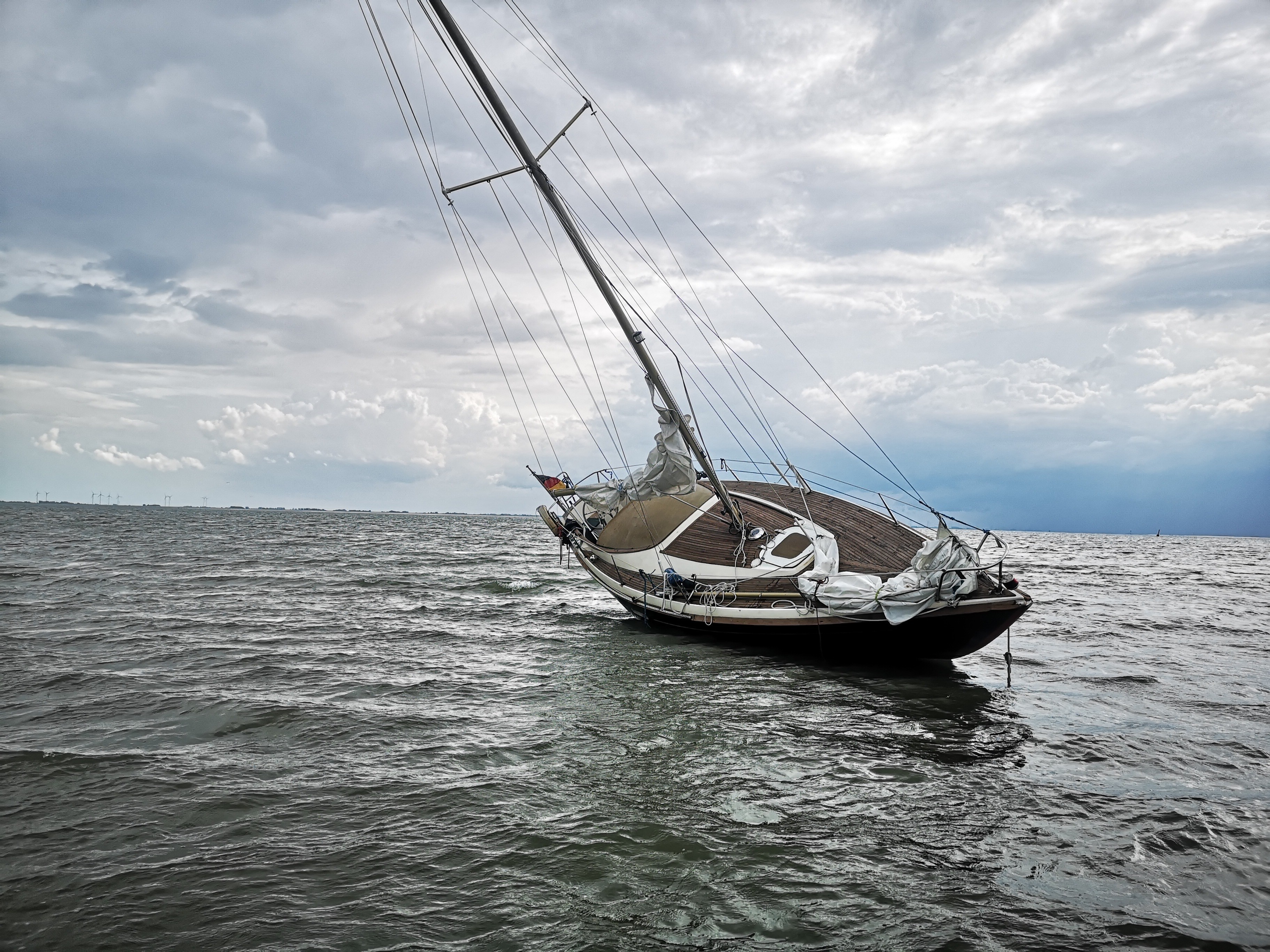
Hurricane season in Florida runs from June 1 through November 30, and if you keep a boat in the water anywhere in South Florida, that six-month window requires a plan. Storms don't always give much warning, and the difference between a boat that survives intact and one that ends up as a total loss usually comes down to what the owner did in the 48 hours before the storm arrived.
Barnacle Busters has been working on boats through South Florida hurricane seasons for over 40 years. We've seen what works, what doesn't, and what owners consistently wish they'd done differently. This guide covers both sides: how to prepare your vessel before a storm hits and what to inspect once it passes.
Before the Storm: Preparation Is Everything
The time to prepare isn't when the storm is 24 hours out. The National Hurricane Center recommends that boat owners develop a hurricane plan well before the season begins and revisit it every year. By the time a hurricane warning is issued, conditions are already deteriorating, and trying to secure a boat in high winds and rising water puts your life at risk. Start by knowing your options:
Can your boat be trailered to higher ground?
Does your marina have a haul-out plan?
Is dry stack storage available?
The safest boats during a hurricane are the ones that aren't in the water at all. If removing your vessel isn't possible, the steps below will give it the best chance of staying where it is.
Secure the Boat Itself
Lock every window, hatch, door, and port that opens to the outside. Inspect the seals around each one. Even a small gap can let in enough wind-driven rain to cause serious water intrusion. Remove canvas covers, biminis, and anything else that can catch wind and act as a sail. If it can be taken off the boat, take it off.
Empty your sewage holding tanks and pump the bilges completely. Clean the strainers and filters so that any rainwater the boat takes on can drain freely. Turn off all electrical systems and disconnect shore power. Remove all electronics and valuables that you can carry.
Strip the deck of anything loose. Cushions, fishing gear, coolers, fenders stored on rails: all of it needs to come off. Flying debris doesn't just damage your boat. It damages everyone else's boat too.
Lines, Pilings, and Dock Strategy
How you tie your boat matters more than almost anything else. Double all dock lines and add crossing spring lines from bow to stern on opposite sides. Use chafe guards at every point where a line contacts the boat or the dock, because abraded lines are one of the most common reasons boats break free.
Attach lines high on the pilings. Storm surge during a hurricane can raise water levels well above normal, and if your lines are tied low, the boat will either pull the pilings over or the lines will slip off entirely. Leave enough slack to allow for rising water, but not so much that the boat can swing into the dock or neighbouring vessels.
If your marina allows it, coordinate with slip neighbours. A boat that breaks free doesn't just damage itself. It can collide with every vessel in its path and set off a chain reaction through the entire dock.
Storage and Documentation
If trailering is an option, get the boat out of the water early. Don't wait until the day before. Trailer maintenance is something to handle before the season starts: check your tires, bearings, lights, and safety chains so you're not dealing with a flat on an evacuation route.
Before you leave the boat, gather your documentation. Insurance policies, registration, radio licence, equipment inventory with serial numbers, and recent dated photos of the vessel inside and out.
If you need to file a claim after the storm, that documentation is what separates a smooth process from a drawn-out one. Keep it somewhere safe and dry, away from the boat.
After the Storm: What to Check First
Once conditions are safe, inspect the boat carefully before turning anything on. Start with a visual check from the dock or shoreline. Is the boat still in its slip? Is it sitting level? Are the lines intact? Look for obvious signs of damage: cracked gelcoat, missing hardware, shifted dock positions.
Board the boat cautiously. Check the bilges for water and look for the source if you find any. Inspect the through-hull fittings and seacocks. Open the engine compartment and check for water intrusion, corrosion, or displaced components. Don't start the engine until you've confirmed there's no water in the fuel system or the intake.
Check the electrical systems before reconnecting shore power. Saltwater and wiring don't mix, and corrosion from storm surge exposure can create fire hazards or short circuits. If anything looks questionable, have a marine electrician inspect it before powering up.
Get the Hull Inspected
Storm surge and debris can do damage below the waterline that you can't see from the dock. Submerged objects like dock sections, crab traps, tree branches, and other boats' debris can impact the hull, prop, or running gear during a storm without leaving an obvious mark above the waterline.
An underwater inspection by a diver is the fastest way to assess what happened below the surface. A diver can check the hull for impact damage, inspect the propeller for bends or missing material, confirm the zinc anodes are still in place, and look for line or debris wrapped around the shaft.
If your boat sat idle through the storm, there's also the fouling issue. A boat that hasn't moved in weeks will have accumulated growth on the hull, which needs to be cleaned before you run it again. A post-hurricane hull cleaning gets you back to a clean baseline.
File Your Insurance Claim Early
If you find damage, document everything before you touch it. Take photos and video from multiple angles. Write down what you see. Then contact your insurance company and file the claim as soon as possible. After a major storm, insurers get flooded with claims, and the earlier you're in the queue, the faster your adjuster will get to you.
Keep receipts for any emergency repairs you make to prevent further damage. Most marine insurance policies cover reasonable mitigation expenses, but you'll need documentation to get reimbursed.
Don't Wait Until the Storm Is Coming
The best hurricane prep happens before the season starts, not while a storm is spinning in the Atlantic. Build your plan now. Know your haul-out options, stock up on extra dock lines and chafe guards, and make sure your documentation is current and accessible.
If you need a pre-season underwater inspection or a hull cleaning to get your boat in order before hurricane season, contact Barnacle Busters today. We can check your hull, running gear, and zincs so you know exactly where things stand before the first storm forms.