BOAT BOTTOM CLEANING IN JUPITER: WHAT IT DOES AND WHY IT MATTERS
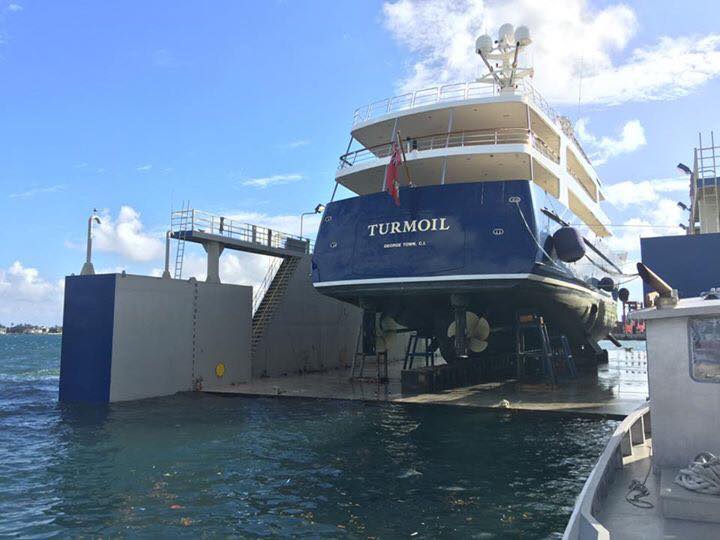
Jupiter sits at the meeting point of the Loxahatchee River, the Intracoastal Waterway, and the Atlantic Ocean. That convergence of fresh and saltwater, combined with year-round warm temperatures, creates conditions that are perfect for both boating and marine growth. If your boat lives in the water here, its hull is accumulating barnacles, algae, and slime faster than in almost any other part of the East Coast.
Barnacle Busters has been cleaning hulls for boat owners in Jupiter and across northern Palm Beach County for over 40 years. This post covers what boat bottom cleaning actually does for your vessel, how often you should be doing it, and what happens when you put it off too long.
What Happens to a Hull That Doesn't Get Cleaned
Marine growth doesn't wait. In Jupiter's waters, a freshly cleaned hull can start developing a biofilm within days. That thin layer of slime is the foundation for everything that follows: algae, soft growth, and eventually hard-shelled organisms like barnacles. Each stage adds more drag to the hull surface.
The practical effect is straightforward. Your engine has to push harder to maintain the same speed, which burns more fuel. Over weeks and months, the buildup also starts damaging your antifouling paint. Barnacles bond aggressively to coated surfaces, and removing them after they've hardened often pulls paint away with them.
That exposes the hull material underneath to direct contact with saltwater, which accelerates corrosion.
The Jupiter Inlet District manages some of the most ecologically sensitive waterways in the region, including seagrass beds and mangrove habitats within the Loxahatchee River-Lake Worth Creek Aquatic Preserve. Keeping your hull clean isn't only about performance. It also reduces the risk of transporting invasive organisms from one waterway to another.
It Protects Your Bottom Paint
Most boat hulls in South Florida are coated with antifouling paint designed to discourage marine growth. There's also an anticorrosive layer underneath that protects the hull material itself. Both coatings have a limited lifespan, and how long they last depends heavily on how well you maintain them.
Regular cleaning removes growth while it's still soft enough to come off without scraping. That preserves the paint surface instead of grinding it down. When barnacles are allowed to harden and accumulate, removing them requires more aggressive techniques that wear through the coating faster.
The end result is an earlier haul-out and repaint, which is one of the more expensive maintenance items a boat owner faces. A consistent boat bottom cleaning schedule pushes that timeline back significantly.
It Keeps Your Fuel Costs Down
Drag is the silent expense most boat owners underestimate. A clean hull moves through the water with minimal resistance. A fouled hull has to fight its way through. The difference shows up directly at the fuel dock.
The numbers vary depending on the severity of the fouling, but research on biofouling has consistently shown that even moderate hull growth can increase fuel consumption by double digits.
For boats that run regularly out of Jupiter Inlet or along the ICW, that adds up fast over the course of a season. Cleaning your hull every three to four weeks is one of the most reliable ways to keep fuel costs from drifting higher than they need to be.
How Often Should You Clean Your Hull in Jupiter?
The general recommendation for boats kept in South Florida saltwater is every three to four weeks. Jupiter's conditions can push that toward the shorter end.
The tidal exchange through the inlet brings nutrient-rich water into the Loxahatchee and the ICW, which feeds the organisms that colonise your hull. Boats moored in areas with less water flow, like coves or canals, may foul even faster because there's less natural current to discourage settling.
If your boat sits idle for extended periods between uses, you'll want to clean more frequently rather than less. A boat that runs regularly creates enough water movement across the hull to slow growth slightly. A stationary hull in warm, still water is the fastest path to heavy fouling.
It Helps Maintain Resale Value
Buyers and surveyors pay close attention to what's happening below the waterline. The condition of your bottom paint, the state of your zinc anodes, and the overall health of your hull surface all factor into a pre-purchase survey.
A boat with documented regular cleanings tells a buyer that the vessel has been cared for properly. A neglected hull tells a different story. Pitting, staining, bare patches where paint has been torn away by hardened barnacles: these are the kinds of findings that lower an asking price or kill a sale entirely.
If you're thinking about selling your boat at any point in the next few years, consistent bottom cleaning is one of the easiest ways to protect the number you'll eventually list it at.
It's Both a Cleaning and an Inspection
Every time a diver goes below your boat for a cleaning, they're also looking at everything else. The prop gets checked for dings and fishing line. The shaft gets a visual inspection. The zincs get assessed for wear.
Through-hull fittings get looked over for signs of leakage or corrosion. This matters because problems below the waterline are invisible from the dock. You won't know your zincs are depleted until the electrolysis damage has already started.
You won't know there's fishing line wrapped around your shaft until you feel the vibration at speed. A diver who sees your hull monthly catches these issues while they're still simple to address.
Get Your Hull Cleaned in Jupiter with Barnacle Busters
Whether your boat is docked at a marina along the Loxahatchee, in one of Jupiter's residential canals, or at a slip on the ICW, a clean hull is the foundation of everything else. It protects your paint, controls your fuel costs, preserves resale value, and gives you a regular window into the condition of your running gear.
If you're not on a cleaning schedule, or if it's been more than a month since your last service, contact Barnacle Busters to book a dive or set up a monthly plan. We've been doing boat bottom cleaning in Jupiter since the beginning, and our dive teams know these waterways well.